

Top 10 Freelancing Websites for Filipinos to Try in 2026
My freelancing journey started during the onset of the pandemic in the Philippines. Like many families, we were worried about finances, and I was determined to find a way to help my husband with our household expenses during those uncertain times.
I started searching for online jobs, even though I had zero freelancing experience (yes, none at all!). Still, I gathered the courage to create my own Facebook page, offering Virtual Assistant services.
I knew I had some basic skills that could be useful — transcription, translation, annotations, simple graphic editing, and even basic video editing which I used to do as a hobby. It wasn’t professional level yet, but I believed I could learn along the way and make it work.
After completing a few small gigs from different micro task websites (I’ll list them here soon — link coming soon!) and spending several sleepless nights figuring things out, I realized something important:
Freelancing is one of the best opportunities for Filipinos who want to work from home and earn in dollars.
Today, many Filipinos — especially moms — are building stable incomes online through freelancing.
So if you’re just starting out, here are some legit and beginner-friendly freelance websites where Filipinos can find real clients.
If there’s one thing I love about the internet, it’s that it gives us opportunities to earn beyond what we can find in our immediate surroundings. We no longer have to limit ourselves to jobs in our cities or wait for local companies to hire us. With the right skills, a reliable internet connection, and a little determination, we can offer our services to clients from different parts of the world.
As a Filipino mom who had been exploring freelancing and online income opportunities since 2020, I know how appealing it is to find work that offers flexibility. Whether you’re a mom who wants to earn while staying close to your children, someone looking for a side hustle, or a professional hoping to leave the traditional 9-to-5 setup, freelancing can be worth exploring.
But where do you actually start?
A quick search for online jobs will give you hundreds of results. Some websites specialize in virtual assistance, others focus on creative services, and some cater to highly experienced professionals. You have to know and determine what you can actually do and choosing the right platform can make a difference in how you find clients, showcase your skills, and build your freelance career.
That’s why I’ve put together this list of 10 freelancing websites worth trying in 2026, particularly if you’re based in the Philippines.
One important reminder before we begin: these platforms are not ranked by guaranteed earning potential. Your results will depend on your skills, experience, portfolio, communication, and the clients you attract. Some platforms are more beginner-friendly, while others are better suited to freelancers who already have a solid track record.
Let’s get started!
1. OnlineJobs.ph — Best for Filipino Virtual Assistants and Remote Workers

Website: https://www.onlinejobs.ph/
If you’re a Filipino looking for remote work with international clients, OnlineJobs.ph is one of the first websites I’d consider exploring.
Unlike traditional freelance marketplaces where you bid on individual projects, OnlineJobs.ph focuses on connecting employers with Filipino workers. You’ll find opportunities for virtual assistants, administrative assistants, content writers, social media managers, customer support representatives, and other remote professionals.
Many employers use the platform to find people for ongoing or full-time remote positions rather than one-time projects.
What I like about this platform
What makes OnlineJobs.ph particularly interesting is its focus on the Filipino workforce. You’re not simply competing in a marketplace filled with freelancers from every country; you’re presenting yourself to employers specifically looking for Filipino talent.
This can be especially helpful if you’re hoping to establish a long-term working relationship with a client rather than constantly searching for your next project.
For example, you might find a business owner who needs someone to manage their emails, update their website, organize their calendar, or assist with daily business operations.
If you do your work well, that relationship could potentially develop into a stable source of income.
Who should try it?
I’d recommend exploring this website if you’re:
- A beginner interested in becoming a virtual assistant.
- An experienced VA looking for better opportunities.
- A mom seeking remote work with a potentially more predictable schedule.
- Someone interested in administrative support, customer service, or digital marketing.
- A freelancer who prefers working with one or two long-term clients.
Things to remember
OnlineJobs.ph is a job platform, not a guarantee of employment. You’ll still need a good profile, relevant skills, and the ability to communicate professionally with potential employers.
Also, distinguish between remote employment and independent freelancing. Some listings may resemble traditional full-time jobs, even though the work is performed remotely.
My takeaway: If I were starting a search for long-term remote work as a Filipino, this would be one of the first websites on my list.
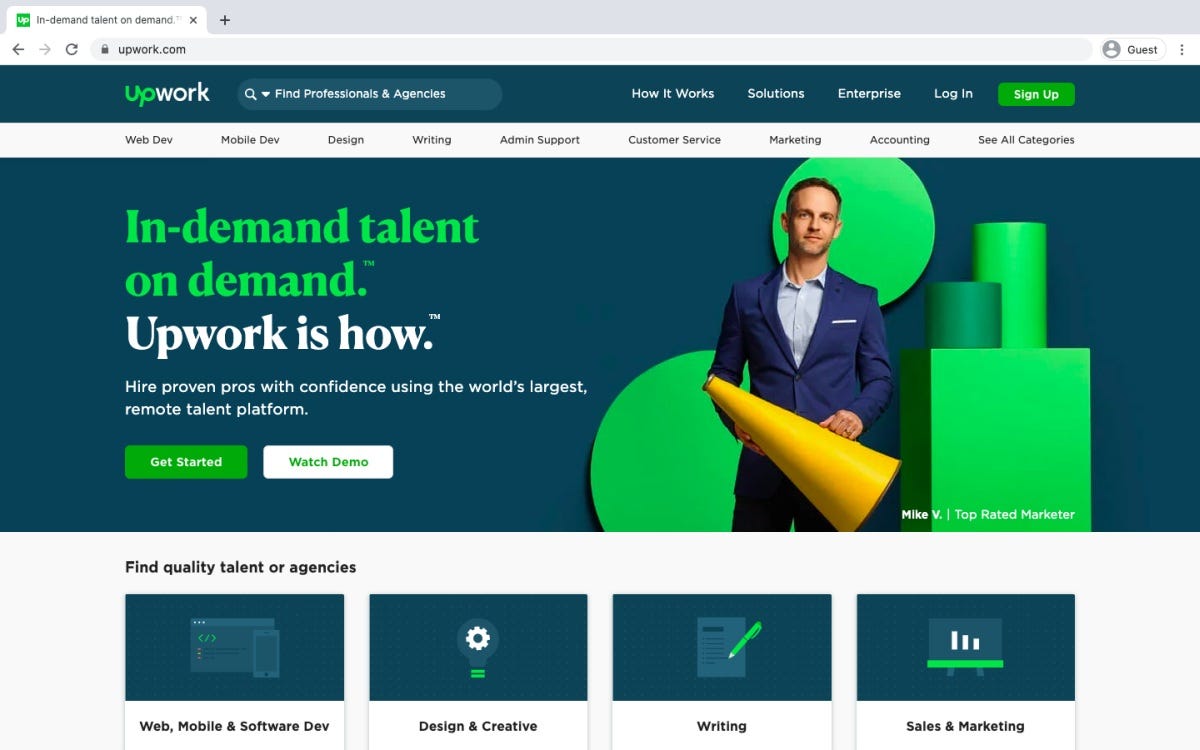
2. Upwork — Best for Building an International Freelance Career
Website: https://www.upwork.com/
Upwork is one of the major international freelance marketplaces, connecting businesses with independent professionals across numerous industries.
It’s worth considering if you want to offer services to clients worldwide and gradually build a professional freelance portfolio.
The platform covers a broad range of services, including:
- Virtual assistance and administrative support
- Graphic design and branding
- Website development and WordPress services
- Content writing and copywriting
- Digital marketing and SEO
- Video editing and animation
- Bookkeeping and business support
- Programming, data analysis, and technical services
What I find appealing about a platform like Upwork is the variety. You’re not restricted to a single type of service, so you can explore opportunities that match your existing skills.
For example, someone who knows WordPress might offer website maintenance, while a creative freelancer could specialize in designing social media graphics or digital products.
How does Upwork work?
You create a profile, showcase your experience, and search for projects that match your skills. Depending on the opportunity, you can submit a proposal explaining how you would help the client.
Some projects pay by the hour, while others have a fixed budget.
Upwork also offers payment-related protections for eligible contracts, subject to its rules and requirements.
According to its published freelancer pricing information, Upwork’s service fee can range from 0% to 15% per contract. Check the fee displayed for your particular contract before accepting work. Upwork
Who should try it?
I’d consider Upwork if you’re:
- A freelancer with a specific, marketable skill.
- A virtual assistant looking for international clients.
- A web designer, developer, writer, or digital marketer.
- Someone hoping to build recurring client relationships.
- An experienced professional transitioning into freelancing.
Things to remember
Competition can be challenging, especially when you’re new and don’t have client reviews yet. You may also need to spend Connects to submit proposals, so applying for every available job isn’t necessarily a good strategy.
Instead, focus on projects where your skills genuinely match the client’s needs.
My takeaway: Upwork is worth exploring if your goal is to build a serious freelance career rather than simply find occasional online tasks.
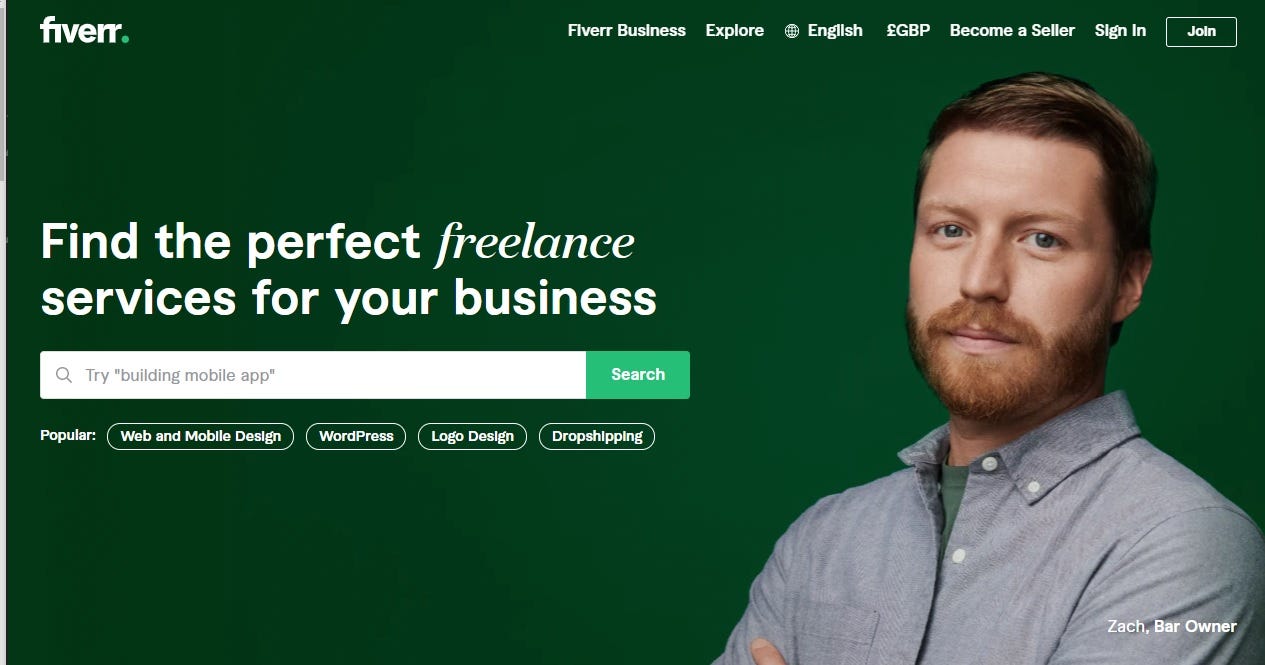
3. Fiverr — Best for Selling Specific Services
Website: https://www.fiverr.com/
Have you ever wished you could package your skills into a service that clients can browse and purchase?
That’s the basic idea behind Fiverr.
Instead of relying primarily on traditional job applications, you can create service listings, commonly called Gigs. Each listing explains what you offer, what the client receives, how much it costs, and how long delivery takes.
For example, you could create services such as:
- I will design a professional business logo.
- I will build a WordPress website using Elementor.
- I will create Pinterest pins for your blog.
- I will design an ebook or printable planner.
- I will edit short-form videos for social media.
- I will set up an email marketing landing page.
- I will format and publish your blog posts.
The key is to make your service specific enough that potential clients immediately understand what they’re buying.
Why consider Fiverr?
I particularly like the idea of turning a skill into a clearly defined package.
For example, instead of offering vague graphic design services, you could offer a package containing five Pinterest pin designs, with clearly stated deliverables and revision limits.
This helps potential clients understand your offer before placing an order.
It can also help you create repeatable workflows instead of starting every project from scratch.
Who should try it?
Fiverr is worth considering if you’re:
- A graphic designer or digital artist.
- A website designer or developer.
- A video editor.
- A writer or proofreader.
- A social media content creator.
- Someone who can deliver a clearly defined digital service.
Things to remember
You’ll need to make your listings stand out through good descriptions, relevant portfolio samples, competitive positioning, and clear communication.
Don’t assume that creating a Gig automatically brings customers. You may need to experiment with your service packages and presentation before finding what works.
Also, review Fiverr’s current seller fees and payout requirements before setting your prices.
My takeaway: Fiverr is a good platform to investigate if you prefer selling clearly packaged services rather than submitting proposals for every project.
4. Freelancer.com — Best for Exploring Different Types of Projects

Website: https://www.freelancer.com/
Freelancer.com is another international marketplace worth checking out if you want to offer your services to clients worldwide.
It covers a broad range of industries, including graphic design, website development, writing, data entry, marketing, and programming.
One feature that makes it different from Fiverr is its bidding system. Clients post projects, freelancers submit bids, and the client chooses whom to hire. The platform also offers contests, including opportunities for creative professionals to submit designs for consideration.
Why should you consider it?
Let’s say you’re a graphic designer who specializes in business materials. You might find projects involving logos, brochures, social media graphics, or other marketing assets.
If you’re a web developer, you could explore website creation and maintenance projects instead.
The variety means you can investigate different opportunities without necessarily committing to a single service category.
Who should try it?
- Graphic designers and illustrators.
- Web developers and programmers.
- Writers and digital marketers.
- Freelancers interested in fixed-price projects.
- Creative professionals who want to explore design contests.
Things to remember
Freelancer.com charges freelancers a project fee. Its published fee schedule generally lists 10% or US$5, whichever is greater, for fixed-price projects, and 10% for hourly projects. Check the current terms for your account and project type before accepting work. Freelancer
Be selective when bidding. Consider the client’s requirements, project budget, competition, and the amount of work involved before submitting your proposal.
My takeaway: Freelancer.com is worth exploring as an additional source of potential clients, especially if your skills cover several types of projects.
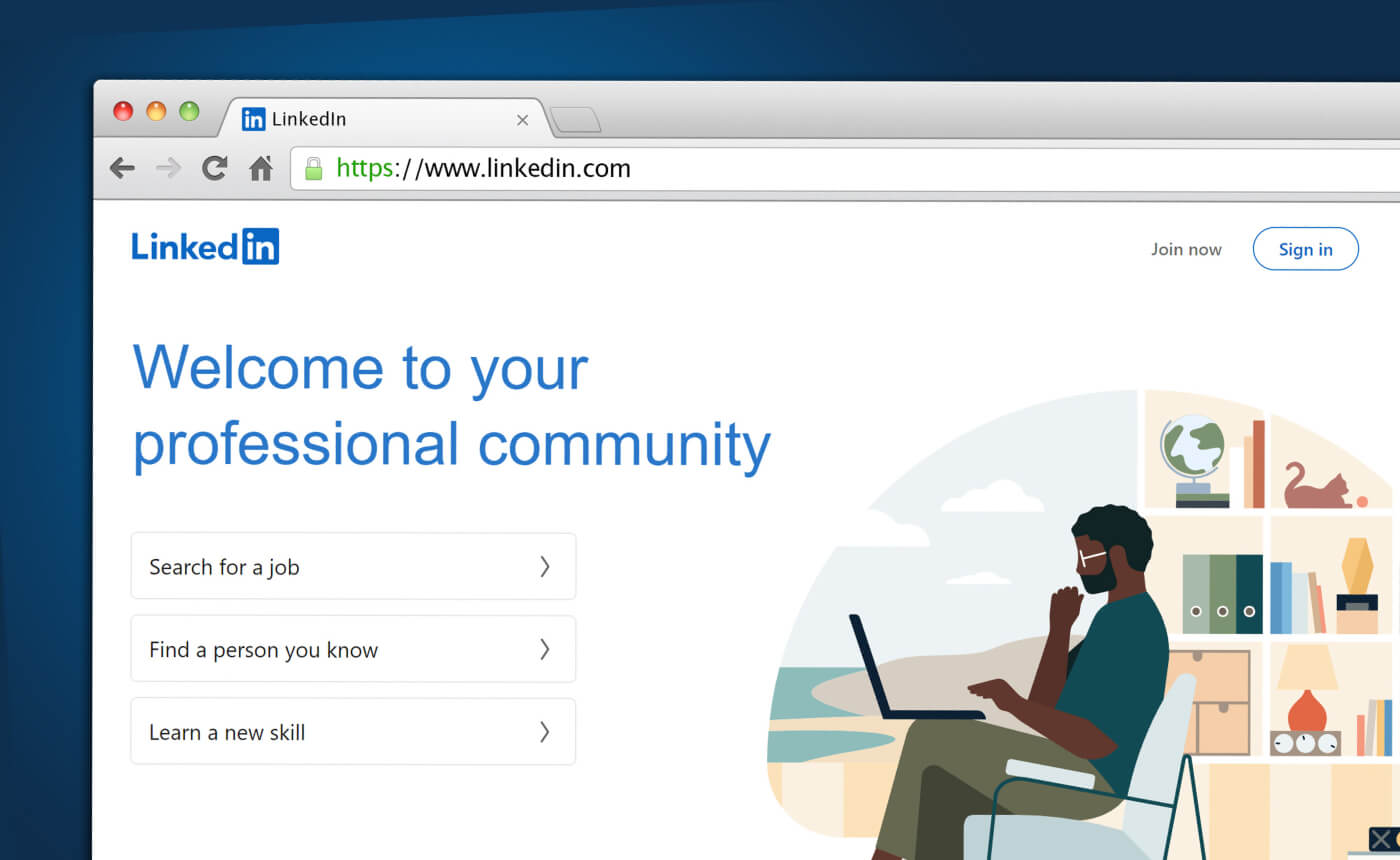
5. LinkedIn — Best for Finding Clients Through Professional Networking
Website: https://www.linkedin.com/
When people talk about freelancing, they usually mention freelance marketplaces first. But I think it’s also worth looking beyond websites specifically designed for freelancers.
LinkedIn is a professional networking platform where you can build your professional presence, connect with business owners, and discover opportunities.
You don’t necessarily have to wait for a client to post a freelance project. You can use your profile and professional connections to help potential clients understand what you do.
For example, imagine that you specialize in WordPress website design.
You could publish posts explaining common website mistakes, share examples of your work, or discuss how a well-organized website can help small businesses. Over time, these posts can help demonstrate your expertise to people who may need your services.
How can Filipinos use LinkedIn for freelancing?
Here are a few ways I’d explore the platform:
- Create a profile that clearly describes your freelance services.
- Add relevant work samples and portfolio links.
- Connect with business owners, entrepreneurs, and potential clients.
- Search for contract, freelance, and remote opportunities.
- Share useful content related to your niche.
- Contact potential clients professionally when there’s a genuine reason to connect.
For instance, if you’re a virtual assistant, you could connect with entrepreneurs who may need administrative support. If you’re a graphic designer, you could showcase your portfolio and connect with marketing professionals.
Who should try it?
LinkedIn is particularly useful for freelancers who want to develop a professional reputation, build direct relationships, and potentially attract clients outside traditional marketplaces.
It’s also worth considering if you already have experience and want to position yourself as a specialist rather than compete primarily on price.
Things to remember
LinkedIn isn’t a guaranteed source of freelance income. Building professional relationships takes time, and unsolicited messages that feel overly promotional can discourage potential clients.
Focus on demonstrating how you can help instead of simply asking people to hire you.
My takeaway: I’d treat LinkedIn as a long-term client acquisition channel, not just another website where I submit job applications.
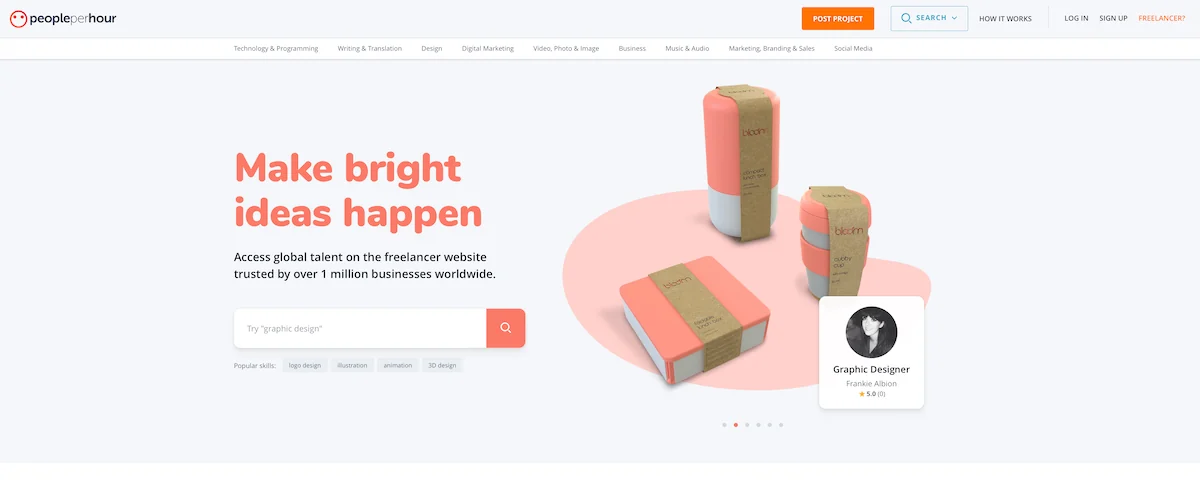
6. PeoplePerHour — Best for Project-Based and Hourly Services
Website: https://www.peopleperhour.com/
PeoplePerHour is an international freelance marketplace that connects clients with professionals offering services by the hour or by project.
The platform allows freelancers to submit proposals for client projects and publish predefined service packages called Offers. It also provides tools for communicating with clients and managing project payments. PeoplePerHour
What makes this platform interesting is that it combines two approaches to freelancing.
You can respond to a client’s specific requirements, or you can package a service that clients can discover and purchase.
For example, a freelancer might offer:
- Website setup and maintenance.
- Blog writing and editing.
- Social media content creation.
- Graphic design and branding.
- Search engine optimization.
- Virtual assistance and business support.
Who should try it?
I’d consider PeoplePerHour if you’re comfortable communicating with clients, preparing proposals, and delivering clearly defined services.
It may be particularly interesting for experienced freelancers who want to diversify their sources of work instead of relying entirely on one marketplace.
Things to remember
The platform has a service-fee structure that varies according to your lifetime billing with each buyer. Its published schedule lists different fee tiers, so check the current rates before calculating your expected earnings. PeoplePerHour Support
Also, confirm the available withdrawal methods and associated fees for your account and location.
My takeaway: PeoplePerHour is another option to investigate if you’re looking for international clients and want flexibility in how you package and deliver your services.
7. Guru — Best for Freelancers Who Want Another Project Marketplace

Website: https://www.guru.com/
Guru is an established freelance marketplace covering professional services across different industries.
You can explore opportunities in areas such as:
- Programming and web development.
- Graphic design.
- Writing and editing.
- Sales and marketing.
- Administrative support.
- Business consulting.
- Engineering and other specialized services.
Like other freelance marketplaces, Guru lets freelancers create profiles, find projects, and submit proposals to prospective clients.
What makes Guru worth considering?
My main reason for including it is diversification.
If you’re serious about freelancing, it can be helpful to understand several platforms rather than assume that one website will always provide enough opportunities.
For example, a freelance writer might use one marketplace to find regular writing assignments while maintaining another profile for specialized projects.
The same approach could work for designers, developers, and other professionals, provided they can manage their applications and client commitments effectively.
Guru also offers SafePay, a payment arrangement designed to help protect project funds when its requirements are followed.
Who should try it?
Guru may be worth exploring if you already have a defined skill set, a portfolio, and experience communicating with clients.
It’s also an option for freelancers who want to compare project opportunities across several marketplaces.
Things to remember
Review the platform’s current membership options, fees, payment requirements, and project terms before signing up or committing to paid features.
Don’t pay for upgrades simply because you hope they’ll guarantee clients. Evaluate whether the additional features offer enough value for your particular situation.
My takeaway: Guru is worth adding to your list of potential client sources, especially if you’re already comfortable working through freelance marketplaces.
8. Contra — Best for Portfolio-Driven Freelancers and Independent Creatives

Website: https://contra.com/
If you’re a creative professional who wants your work to speak for itself, Contra is another platform I’d explore.
Contra is designed to help independent professionals present their services, showcase their portfolios, and manage client relationships.
Depending on your specialty, you might use it to present projects involving:
- Brand identity and graphic design.
- Website design and development.
- User experience and user interface design.
- Copywriting and content creation.
- Video editing and creative production.
- Marketing and other digital services.
Why consider Contra?
A portfolio is often one of the most important tools a freelancer can have.
Clients want to see what you can actually do, not just read a list of skills on your résumé.
For example, if you create websites, you could showcase your strongest projects and explain the problems you helped solve. If you design digital products, you could present examples of your layouts, branding, and creative process.
A well-presented portfolio can help prospective clients understand your capabilities before they contact you.
Contra also provides tools for managing aspects of independent work, although the features available may depend on your account and plan.
Who should try it?
I’d consider Contra if you’re:
- A website designer or developer.
- A graphic designer or brand designer.
- A content creator or copywriter.
- A creative freelancer with a portfolio to showcase.
- An independent professional interested in building direct client relationships.
Things to remember
Don’t assume that creating a profile will automatically bring in clients. You’ll still need to present your services clearly and actively find ways to reach your target audience.
Also, check Contra’s current pricing and payment terms. Platform fees, payment-processing charges, and optional paid features are not necessarily the same thing.
My takeaway: Contra is worth investigating if you’re building a portfolio-led freelance business and want another place to present your services professionally.
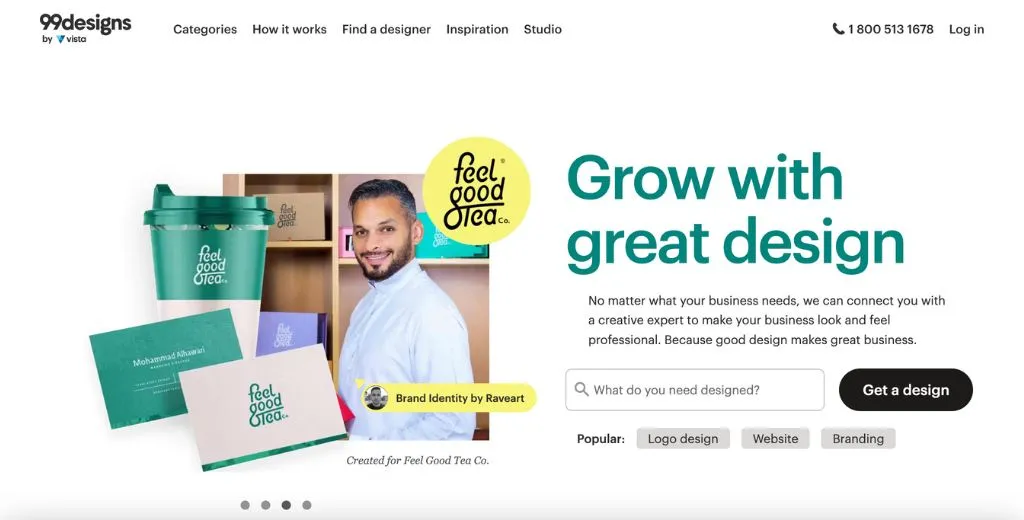
9. 99designs — Best for Graphic Designers and Visual Creatives
Website: https://99designs.com/
If graphic design is your specialty, 99designs is a platform worth knowing about.
Unlike general freelance websites that cover almost every industry, 99designs focuses on design services.
Depending on the available opportunities, you may find work related to:
- Logo design.
- Brand identity.
- Packaging design.
- Book covers.
- Website design.
- Business and marketing materials.
One of its distinguishing features is its design contest model, which allows clients to receive design concepts from participating designers and select a winner. The platform also supports direct relationships between clients and designers.
Why might this be useful for Filipino designers?
Filipino creatives can use online platforms to present their work to international audiences without being limited to clients in their immediate area.
For example, if you specialize in branding, you could develop a portfolio featuring logo concepts, color palettes, typography, and brand applications.
If you focus on packaging, you could showcase how your designs look across different product formats.
The goal is to help potential clients see your creative style and understand the value you can offer.
Who should try it?
I’d recommend investigating 99designs if you have a strong interest in graphic design, branding, or other visual creative services.
It may be less relevant if your primary skill is virtual assistance, bookkeeping, or administrative work.
Things to remember
Design contests can require significant unpaid creative effort if you participate but don’t win. Before entering one, consider how much time you’re willing to invest and whether the contest terms suit your business model.
Review the platform’s current designer fees, participation rules, and project terms before committing.
My takeaway: For Filipino designers who want to explore international branding and visual design opportunities, 99designs deserves a place on the list.
10. Toptal — Best for Experienced and Highly Specialized Professionals

Website: https://www.toptal.com/
I’ll end this list with a platform that is quite different from the others: Toptal.
Toptal connects businesses with professionals in specialized fields, including software development, design, finance, project management, and related areas.
However, this isn’t the first platform I’d recommend to someone who is completely new to freelancing.
Toptal uses a selective screening process to evaluate applicants before they join its talent network. This means the platform is generally more appropriate for professionals who already have relevant experience and can demonstrate strong technical or professional skills.
Why consider Toptal?
Imagine that you’ve spent several years developing software, managing complex projects, or working in a specialized design field.
You already have professional experience, a portfolio or track record, and the ability to work with clients who have demanding requirements.
In that situation, exploring a more selective talent network may make sense.
For experienced Filipino professionals, international opportunities can offer a way to apply existing expertise to projects beyond the local job market.
Who should try it?
I’d consider Toptal if you’re:
- An experienced software developer.
- A senior designer or design specialist.
- A finance professional with relevant expertise.
- An experienced project manager.
- A professional with a strong portfolio and demonstrable results.
Things to remember
The screening process can be demanding, and acceptance is not guaranteed.
If you’re still developing your skills, there’s nothing wrong with building experience through other channels first. You can always revisit selective platforms when you’re better prepared.
My takeaway: Toptal is an option for experienced professionals who want to explore a more selective route to international client work.
Quick Comparison: Which Freelancing Website Should You Try?
With so many options, choosing just one can feel overwhelming. Here’s a quick comparison to help you narrow down your choices.
| Freelancing website | Best suited for | How you’ll typically find opportunities |
|---|---|---|
| OnlineJobs.ph | Filipino VAs and remote workers | Applying for remote job listings |
| Upwork | Freelancers across many industries | Submitting proposals for projects |
| Fiverr | Freelancers selling packaged services | Publishing Gigs that clients can purchase |
| Freelancer.com | General freelance services | Bidding on projects and entering contests |
| Professionals seeking direct clients | Networking, job searches, and professional visibility | |
| PeoplePerHour | Project-based and hourly freelancers | Proposals and predefined service Offers |
| Guru | Freelancers across various industries | Browsing projects and submitting proposals |
| Contra | Portfolio-driven creatives and independent professionals | Showcasing services and building client relationships |
| 99designs | Graphic designers and visual creatives | Design contests and direct client projects |
| Toptal | Experienced, specialized professionals | Applying to a selective talent network |
My advice: Don’t feel pressured to join all ten websites at once. Choose only one or two that align with your current skills and goals, learn how they work, and expand only when you’re ready.
How to Choose the Right Freelancing Website as a Filipino
Now that we’ve covered the ten platforms, let’s talk about something equally important: choosing the right one for you.
The best website isn’t necessarily the most popular one. It’s the platform that gives you a practical way to connect with clients who need the services you can provide.
Here are five things I’d consider before deciding where to invest my time.
1. Identify the service you want to offer
Before creating accounts everywhere, take a moment to identify what you can offer.
You don’t need to be an expert in everything. In fact, starting with a clearly defined service can make it easier to explain your value to potential clients.
For example:
- Administrative skills: Virtual assistance, email management, data organization, and calendar management.
- Creative skills: Graphic design, branding, video editing, and digital illustrations.
- Writing skills: Blog writing, copywriting, proofreading, and content editing.
- Technical skills: WordPress development, website maintenance, programming, and automation.
- Marketing skills: SEO, Pinterest marketing, email marketing, and social media management.
- Financial and business skills: Bookkeeping, reporting, and business administration, provided you have the necessary qualifications.
Once you know what you want to offer, choosing an appropriate platform becomes much easier.
2. Consider your current experience
If you’re a beginner, don’t assume you need to master every skill before you can start.
You do, however, need to be honest about what you can deliver.
Start with services that match your current abilities. Develop sample projects, practice your workflow, and gradually improve your portfolio.
If you already have years of professional experience, consider platforms and clients that value your specialization rather than focusing entirely on entry-level opportunities.
3. Understand the fees before accepting a project
This is particularly important when you’re working with international clients.
Your quoted rate isn’t necessarily the amount you’ll receive.
Depending on the platform and payment method, you may encounter service fees, withdrawal fees, currency-conversion costs, or other charges.
Before accepting a project, calculate your expected take-home earnings.
For example, if you charge US$100 for a project, that doesn’t automatically mean US$100 will reach your bank account.
Review the platform’s current fee schedule and make sure your pricing accounts for your time, expenses, and applicable charges.
4. Check payment options available in the Philippines
Getting hired is only part of the process. You also need a reliable way to receive your earnings.
Depending on the platform, available options may include bank transfers, PayPal, Payoneer, or other supported payment services – click here check my most recommended payment channels.
Since you’re based in the Philippines, check which withdrawal methods are available to your account and whether they support your preferred Philippine bank or payment provider.
Also consider:
- Minimum withdrawal amounts.
- Processing times.
- Transaction fees.
- Currency-conversion rates.
- Identity verification requirements.
Don’t assume every payment option is available to every freelancer. Confirm the current requirements before accepting your first project.
5. Don’t underestimate the importance of communication
Technical skills matter, but so does the ability to communicate professionally.
Clients want to work with people who understand their requirements, ask sensible questions, provide updates, and deliver what was agreed upon.
You don’t need a perfect accent or complicated vocabulary to communicate well in English.
You need to be clear, respectful, responsive, and willing to clarify anything you don’t understand.
For Filipino freelancers working with international clients, these habits can make a real difference in building trust and maintaining long-term relationships.
So, How to Start Freelancing in 2026, Even If You’re a Beginner?
If you’re reading this because you want to start earning online but don’t know where to begin, here’s a simple approach I’d consider.
Step 1: Choose one service
Don’t try to become a virtual assistant, graphic designer, video editor, web developer, and social media manager all at once.
Choose one service that matches your existing skills or an area you’re willing to learn.
You can expand later.
Step 2: Create three portfolio samples
You don’t necessarily need paying clients to start building a portfolio.
You can create sample projects to demonstrate your skills, as long as you label them honestly as practice or concept work.
For example, if you want to offer website design, build a sample homepage for a fictional business.
If you’re interested in graphic design, create sample social media posts or branding materials.
If you want to become a blog writer, write two or three well-researched articles that demonstrate your writing ability.
Your portfolio should help potential clients understand what you can do.
Step 3: Set up a professional profile
Your profile should explain three things:
- What service do you provide?
- Who can benefit from that service?
- Why should a potential client consider hiring you?
Instead of simply writing, “I’m hardworking and willing to learn,” explain what you can actually help a client accomplish.
For example:
“I’m a virtual assistant who helps small business owners organize their administrative tasks, manage email correspondence, and keep daily operations running smoothly.”
That tells potential clients much more about your services.
Step 4: Apply strategically
If you’re using a proposal-based marketplace, avoid sending the same generic application to every client.
Read the job description carefully and explain how your skills match the client’s specific needs.
You don’t need to write a long essay every time. A concise, relevant proposal can be more effective than a lengthy message that doesn’t address the project.
Step 5: Keep improving
Your first few weeks may involve more learning than earning.
You might need to improve your portfolio, refine your proposals, or learn how to present your services more effectively.
Don’t automatically interpret a lack of responses as proof that you’re not good enough.
Review your approach, look for areas to improve, and continue developing your skills.
At the same time, be realistic about your progress. Freelancing is a business, and building a sustainable income usually requires consistent effort, time, and adjustments.
Important Freelancing Scams Filipinos Should Watch Out For
While freelancing can create opportunities, it’s also important to protect yourself.
Be cautious of supposed employers who:
- Ask you to pay a recruitment fee to secure a job.
- Require you to purchase expensive equipment from a specific seller before hiring you.
- Offer suspiciously high compensation for vague or minimal work.
- Ask you to receive and transfer money on their behalf.
- Request your passwords, one-time passwords, or banking credentials.
- Send checks or payments with instructions to return part of the money.
- Pressure you to leave a platform’s protected payment system without a legitimate reason.
Not every legitimate remote employer operates in exactly the same way, but requests involving upfront payments, money transfers, or sensitive credentials deserve particular scrutiny.
Never assume a job offer is legitimate simply because it appears on a well-known website.
Check the employer’s identity, review the terms, and use the platform’s available safety and payment-protection features when applicable.
If a project is offered through a marketplace, understand its rules before moving conversations or payments elsewhere.
Your safety and financial security matter just as much as finding a client.
Can You Make a Full-Time Income From Freelancing in the Philippines?
Yes, freelancing can become a full-time source of income for some Filipinos, but I wouldn’t approach it as a guaranteed or immediate way to make money.
Your earnings depend on several factors, including your service, skill level, pricing, client demand, available working hours, and ability to find and retain clients.
For example, a freelancer offering general administrative assistance may have a different earning structure from a web developer building websites or a specialist providing technical consulting.
The number of clients you have also matters.
One freelancer might work with several clients on small projects, while another may have one long-term client who provides consistent work.
Neither model is automatically better. What matters is whether the arrangement fits your financial needs, schedule, and goals.
I’d also encourage you to think beyond the amount you earn in a single month.
A sustainable freelance business should account for expenses, taxes, unpaid administrative time, periods without work, and the need to save for emergencies.
If you’re hoping to replace your current income, consider building your freelance earnings gradually before making major financial decisions.
And if you’re a parent, remember to account for the time and energy needed to balance client work with family responsibilities.
The goal isn’t simply to earn more. It’s to build an income stream that works for your life.
Final Thoughts: Which Freelancing Website Would I Try First?
If you’ve reached this part of the article, I hope you now have a better idea of where to begin.
The truth is, there isn’t one freelancing website that will work best for every Filipino. Each platform has its own strengths, and your ideal choice depends on your skills, experience, and preferred way of working.
If you’re interested in long-term remote work, I’d explore OnlineJobs.ph.
If you want to pursue international projects across different industries, I’d consider Upwork.
If you prefer packaging your skills into services clients can purchase, I’d investigate Fiverr.
If you’re a creative professional, I’d also look into Contra or 99designs, depending on your specialty.
And if you’re an experienced professional with specialized skills, Toptal may be worth exploring.
You don’t need to sign up for everything today. Start with the platform that best matches your goals, prepare a portfolio that demonstrates what you can do, and focus on finding clients who genuinely need your services.
Remember, freelancing isn’t just about finding a website where you can earn money. It’s about building skills, developing professional relationships, and learning how to provide something valuable to other people.
You might not land your first client immediately, and your first project might not pay as much as you’d hoped. That’s why it’s important to keep learning, improve your approach, and avoid comparing your beginning to someone else’s established career.
You don’t need to have everything figured out before you start. You just need to take your first practical step.
In fact, contrary to all the websites I shared, my first client actually came from Facebook! Yep! Surprisingly, despite being completely clueless at the time, I landed a Project Manager role in the Philippines, training machine learning software through transcription. I managed more than 50 transcriptionists and learned so much about organizing, managing, and addressing my team’s concerns—all despite being an introvert, lol. 😂
So if you’ve been thinking about trying freelancing, perhaps 2026 is the year you finally explore what you can do with the skills you already have.
And who knows? What starts as a small side hustle today might eventually grow into something much bigger.
Frequently Asked Questions (FAQs)
1. What is the best freelancing website for beginners in the Philippines?
For starters, OnlineJobs.ph, Fiverr, and Upwork are three options worth exploring. OnlineJobs.ph is useful for finding Filipino-focused remote opportunities, Fiverr lets you package services for potential buyers, and Upwork offers a broad range of international projects. The best choice depends on your skills and preferred work arrangement.
2. Can I start freelancing without experience?
Yes! If you happen to remember my first paragraph, you’ll know already! Kidding aside, finding your first client may be challenging. You may start with services you can genuinely deliver, create sample portfolio projects, and apply for opportunities that match your current abilities. Avoid claiming professional experience or results you don’t have.
3. Do I need to pay to join freelancing websites?
Some platforms offer free registration, but additional costs may apply to proposals, optional features, memberships, or transactions. Always check the current pricing and terms before spending money. You signed up for work to get paid, hun. Not the other way around. 😉
4. How can Filipino freelancers receive payments from international clients?
Depending on the platform and account eligibility, payment options may include PayPal, Payoneer, bank transfers, or other supported services. Check withdrawal availability, fees, processing times, and currency-conversion costs before accepting work. You may check the top 3 payment channels I recommend here.
5. Can I freelance while working a full-time job?
Yes, if your employment agreement permits it and you can manage your workload responsibly. Starting with a small project or a few hours a week may help you assess whether freelancing fits your schedule.
6. Is freelancing still worth trying in 2026?
It can be, particularly if you develop skills that clients need and learn how to communicate your value. However, competition, changing client requirements, and the growing use of AI tools mean you’ll need to keep learning and adapting. There is no guarantee of employment or income.
Good luck, and happy freelancing!
Editorial note: Platform features, fees, and payment policies can change. Before publishing, verify the current details for each platform, especially where payment availability and eligibility in the Philippines are concerned. The article presents these websites as options to explore, not as a guarantee of jobs or earnings.


You May Also Like
A Family Trip to Remember in Puerto Princesa, Palawan

InfiniPlay Antipolo: Watching Her Be Eight While Remembering What It Felt Like to Be Young